

When a researcher is considering a new piece of laboratory equipment, there’s often a lot they need to understand before they’re ready to speak with a sales team. They may want to explore its capabilities, see it in operation or find examples of how it has been used in research. And once they own the equipment, they’ll need somewhere to turn for documentation and technical support.
For a scientific equipment manufacturer, a website needs to serve all of those purposes. Just as importantly, the people behind the website need a practical way to manage that information and respond to enquiries.
CellScale, based in Waterloo, Ontario, develops mechanical testing systems and bioreactors for researchers around the world. When their team came to us through a recommendation, they were looking to refresh their website and give their range of specialized products a more comprehensive online presence.
As we worked through the project together, there was an opportunity to do more than create new pages. CellScale already had systems in place for managing research publications and customer relationships, and we wanted the new website to work with those systems rather than create another place for their team to manage information.
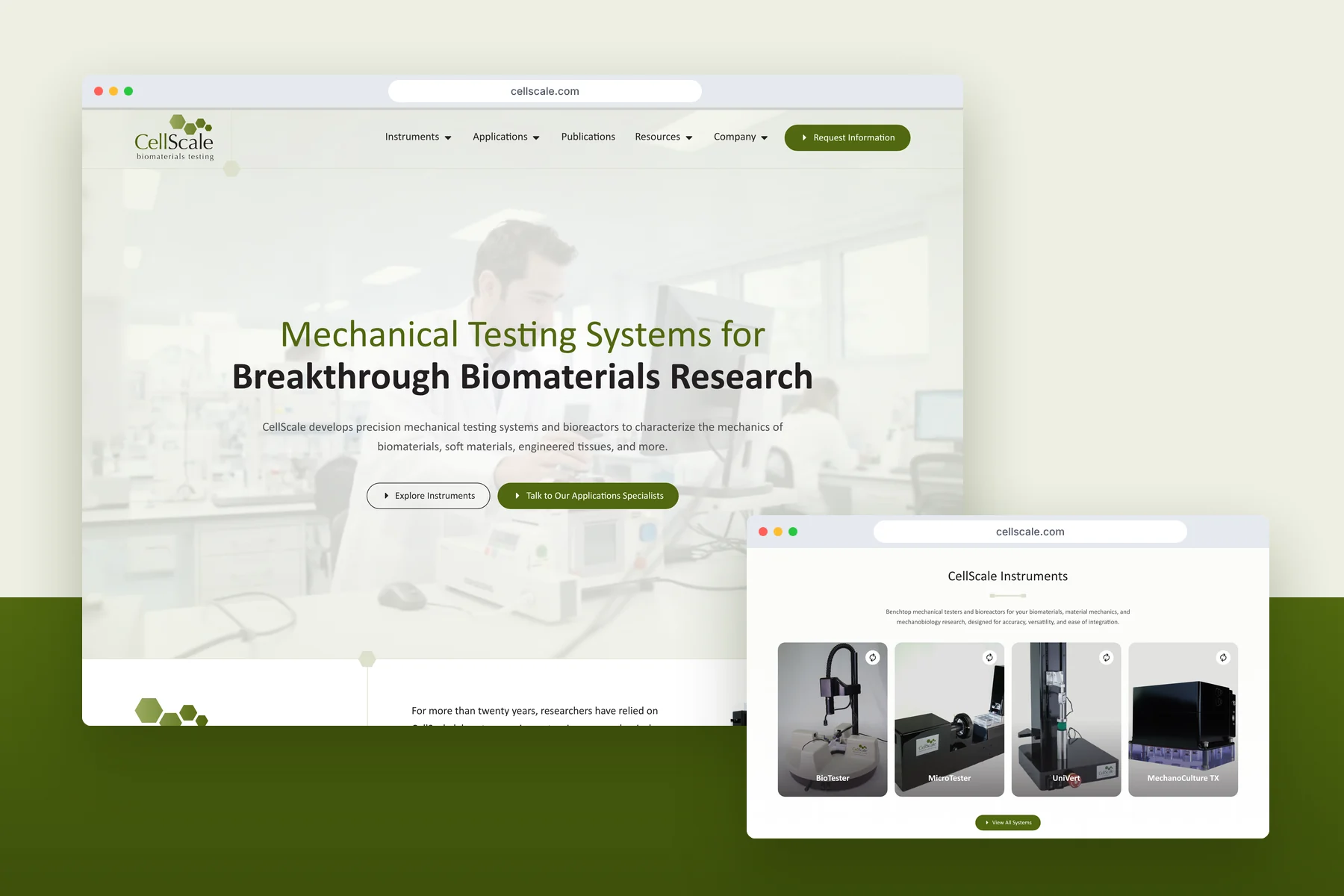
Giving specialized products room to be understood
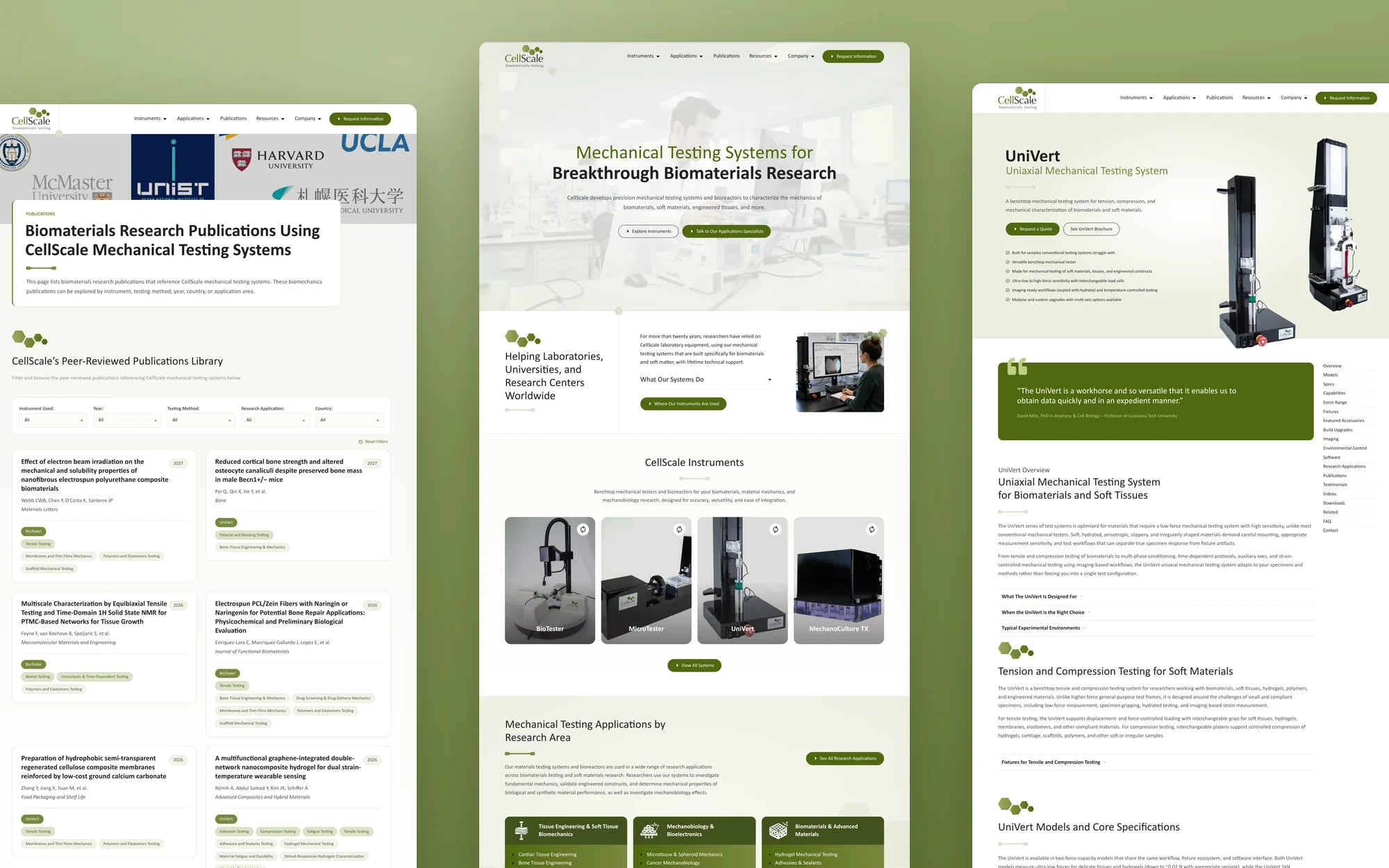
One of the priorities was building a dedicated page for each of CellScale’s products. When you’re selling scientific equipment, the details that distinguish one instrument from another can be central to a customer’s decision.
A researcher exploring the UniVert mechanical testing system, for example, may have very different questions from someone interested in the BioTester biaxial testing system. A general product overview can introduce both, but individual pages give visitors room to understand each instrument in more depth.
We worked with CellScale to bring product information, technical details, imagery, videos and supporting resources together throughout the new site. Visitors can explore the equipment at their own pace and have clear options for contacting the sales or technical support team when they need further assistance.
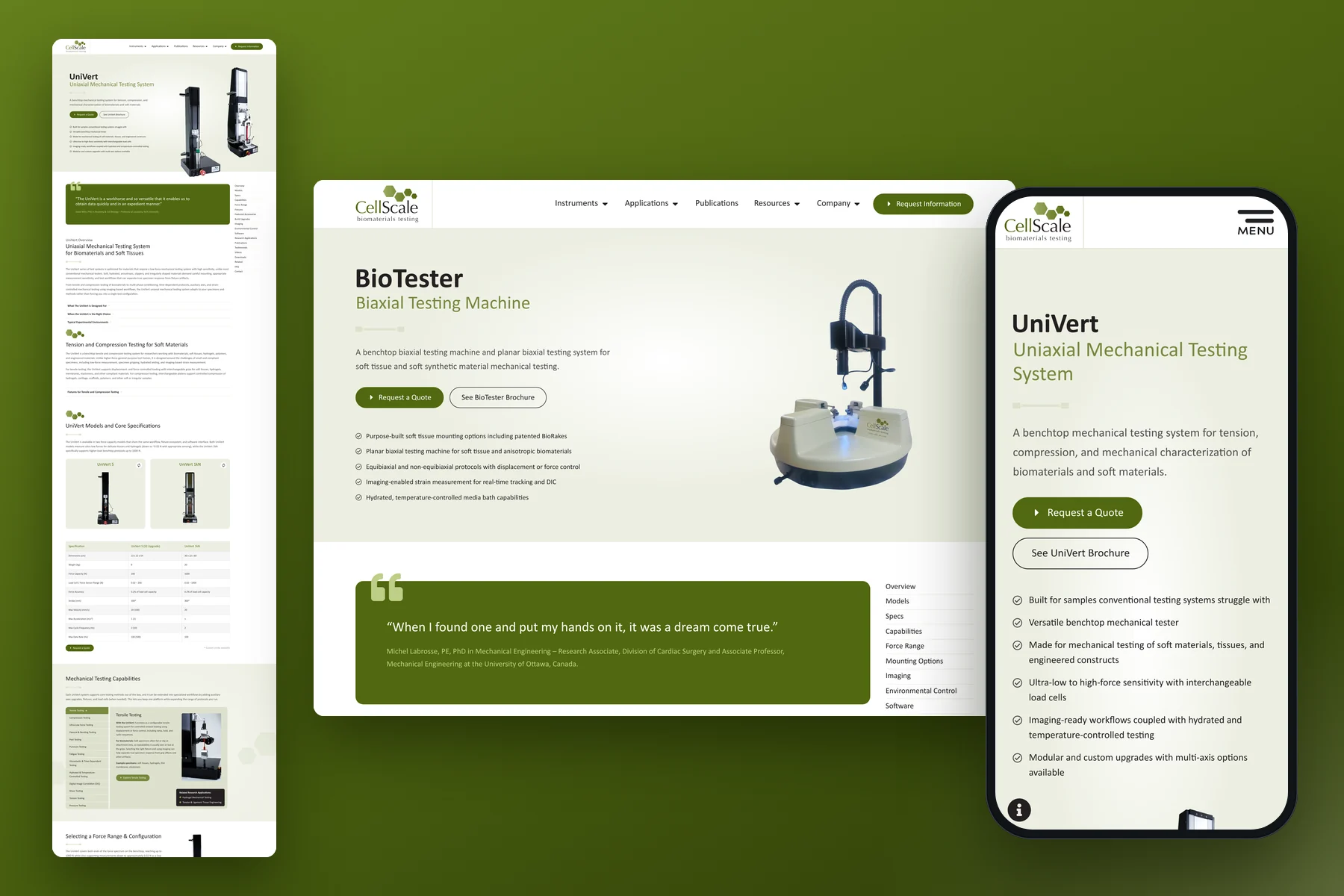
For manufacturers planning a website, it’s worth thinking about what customers need to know before they get in touch. A useful product page isn’t necessarily the one with the most information. It’s the one that makes the relevant information easy to find and gives the visitor a clear next step.
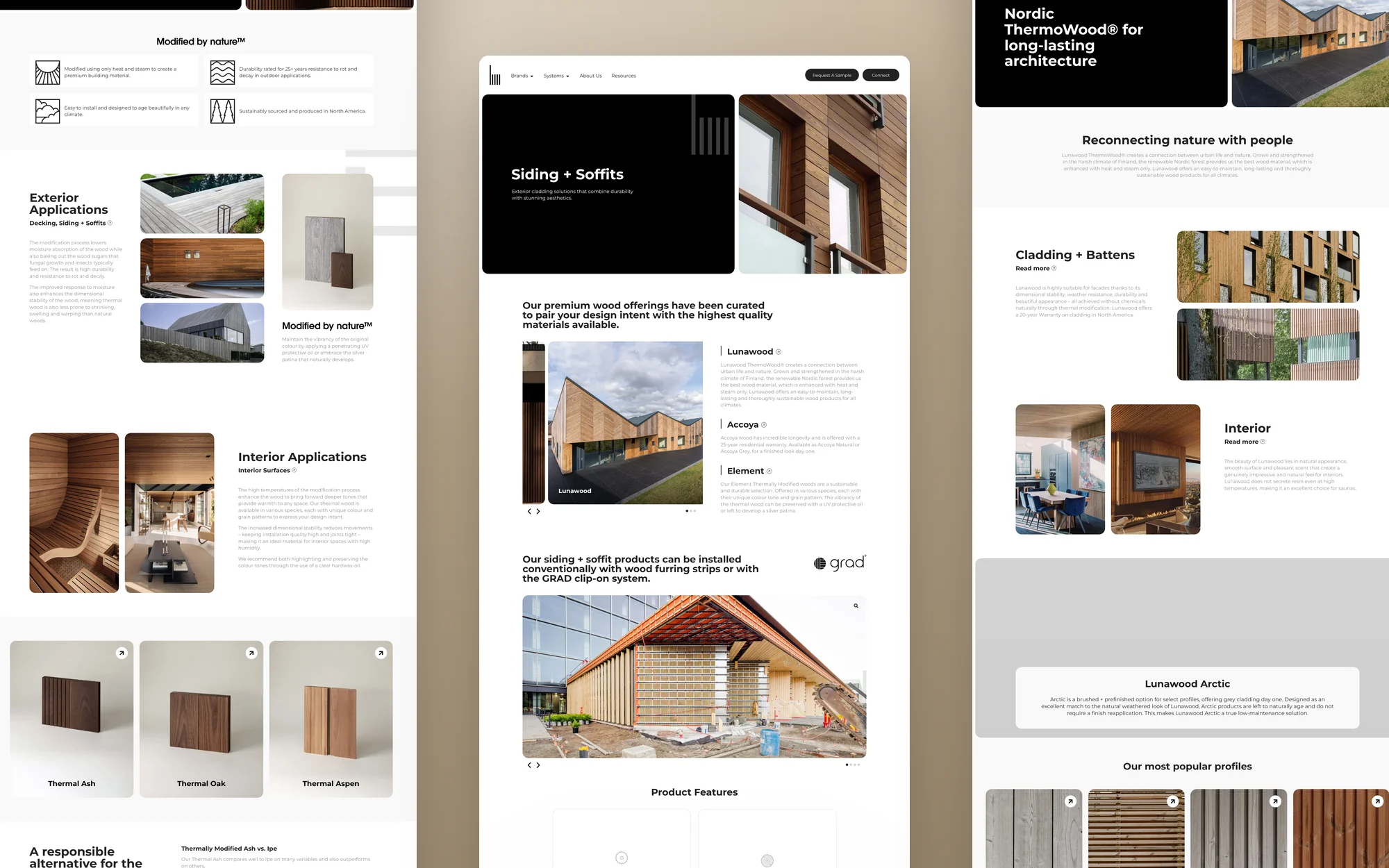
For another example of how we approached this challenge, take a look at our work with Branch Architectural Systems.
Connecting a research publications library to Airtable
One of the most interesting parts of the CellScale project was its research publications library.
CellScale’s equipment has been referenced in more than 1,300 peer-reviewed publications, according to the company. For someone evaluating an instrument, research conducted by other laboratories can offer valuable context about how that equipment has been used.
The CellScale team was already organizing its publication records in Airtable. Asking them to enter the same information again in WordPress would have introduced a second place to maintain a substantial and growing collection of data.
Instead, we developed a custom integration between Airtable and WordPress. When the team adds a new publication or edits an existing record in Airtable, the integration creates or updates the corresponding publication on the website.
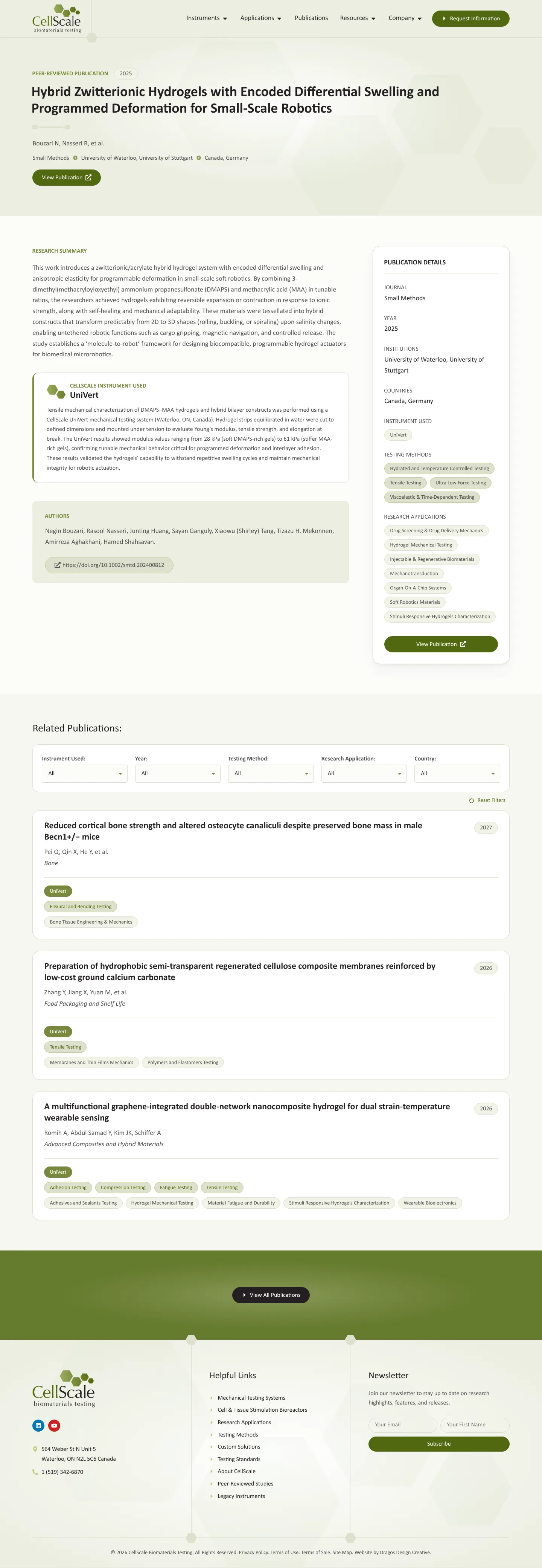
The resulting research publications library is separate from the company’s blog. Visitors can filter research by instrument, testing method, year, country or application area. Individual publication pages provide information about the study and the equipment involved, along with a link to the original publication.
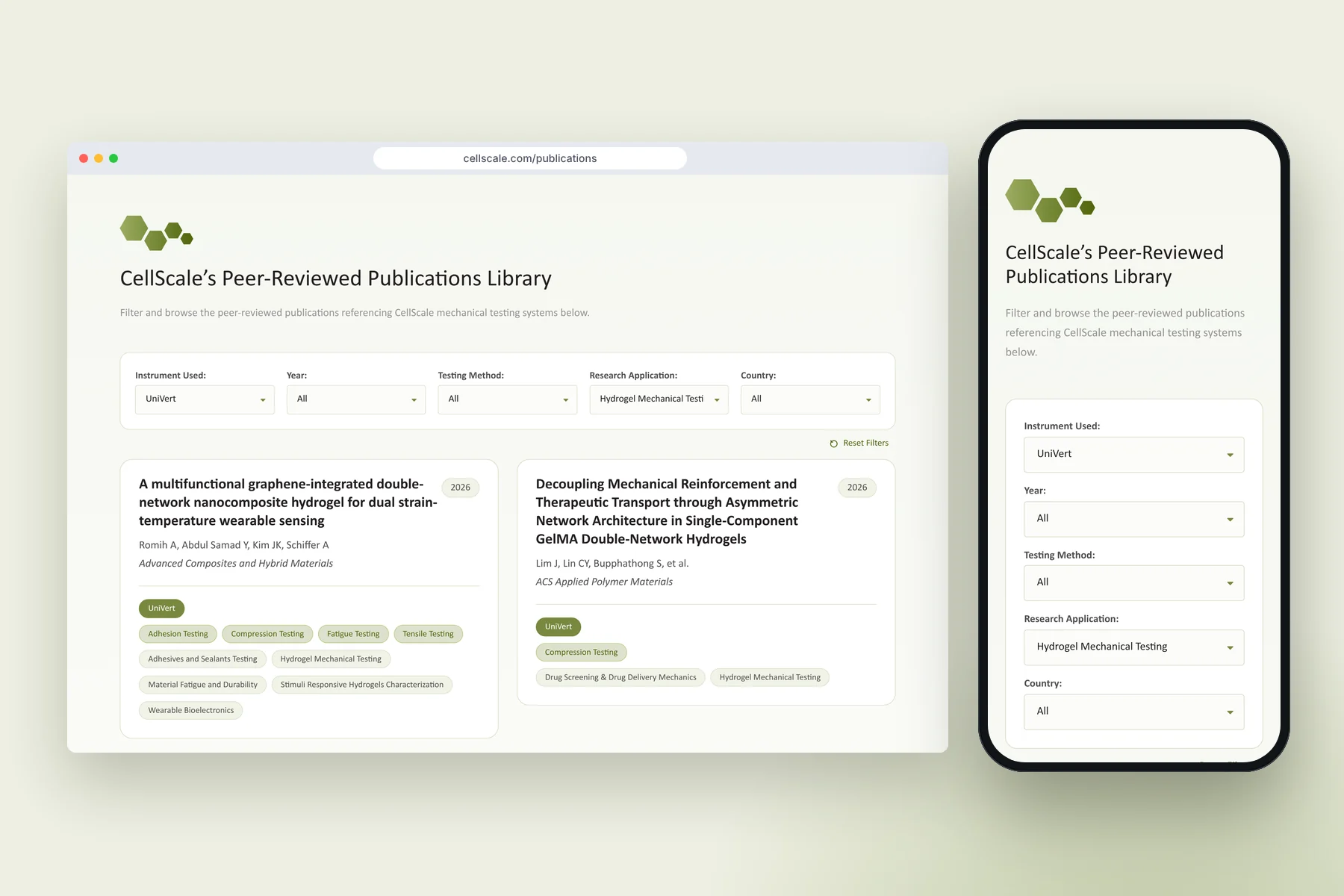
For example, a researcher interested in using an instrument to test hydrogels can explore relevant studies to see how that instrument has been used in other research. The library gives them a different way to learn about the equipment beyond reading its product specifications.

What we particularly appreciate about this integration is that the website and Airtable each have a clear purpose. The CellScale team can continue maintaining its records in a familiar environment, while the website makes the research easier for visitors to explore.
If your business manages a large catalogue, database or collection of resources, this is a useful question to ask before starting a redesign: where should that information be maintained? In many cases, connecting the website to an existing source is worth considering before introducing another administrative process.
Supporting customers after a purchase
The website also needed to serve researchers who already use CellScale equipment. Someone looking up an operating procedure or searching for an instrument manual has a different goal from a prospective buyer.
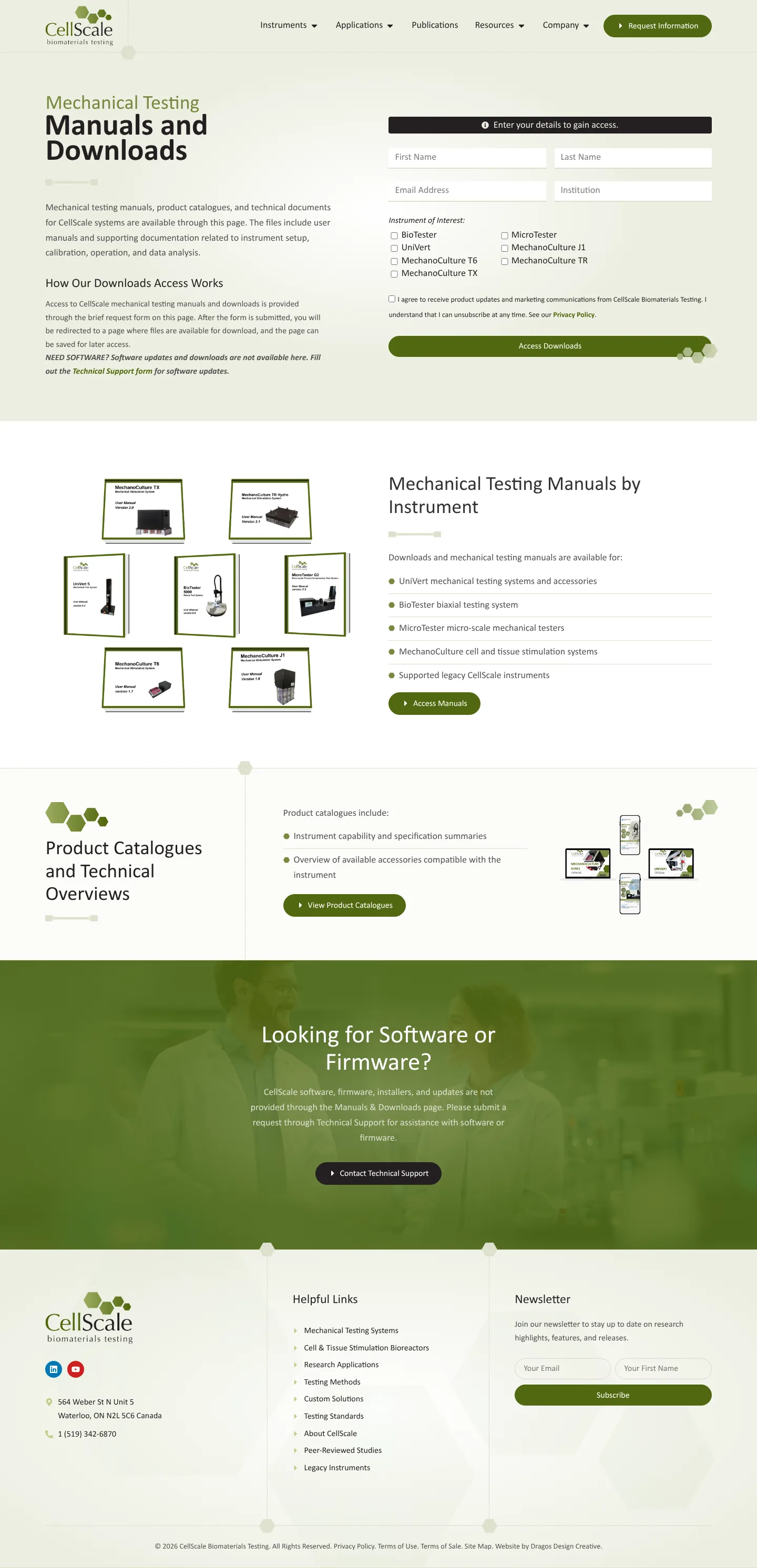
We created a dedicated manuals and downloads area that gives customers a central place to request access to technical documentation. The website also includes videos and tutorials, with options to reach the technical support team when additional assistance is needed.

Separating these resources from the main product catalogue helps give existing customers a place to return to without requiring every product page to contain all of the available support material.
It’s a helpful distinction when designing a manufacturer’s website. Plan for the questions people will have after purchasing your products as well as the ones they’ll ask before making a decision.
Helping visitors find technical answers with Beacon AI
Even with well-organized product pages and manuals, finding a specific technical detail can take time. Sometimes someone would rather ask a question than search through a lengthy document.
CellScale uses Beacon AI, our website chatbot platform, to give visitors another way to access that information.
The CellScale team developed a detailed, guided conversation flow with our assistance. Their chatbot includes product-specific paths and draws on approved product literature, website information and technical documentation to help answer questions about individual instruments.
A visitor can ask about a product and receive an answer based on the material available to the assistant, with links to relevant resources where appropriate. They can also use Beacon to submit a sales or technical support enquiry when they need help from the CellScale team.
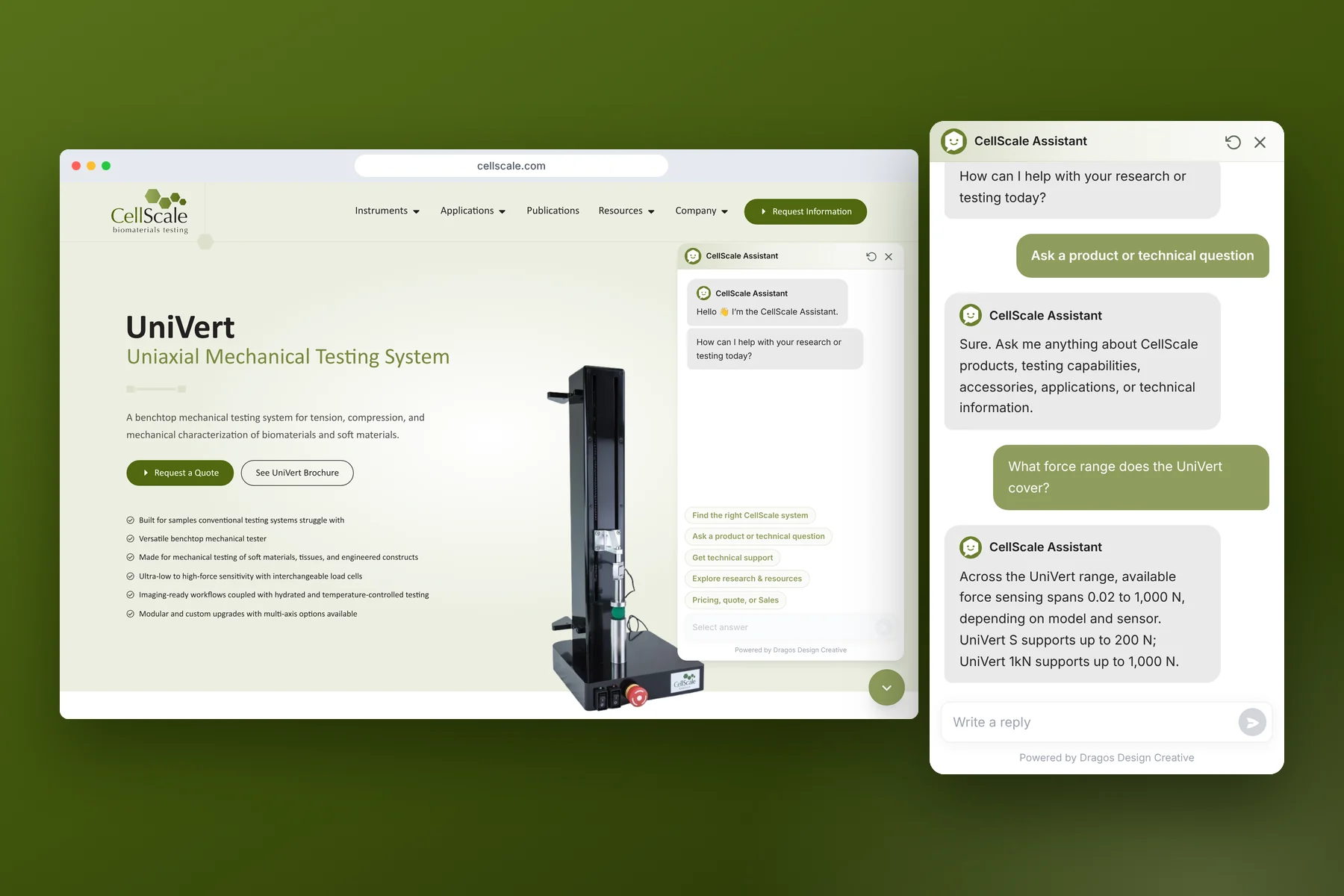
For companies with extensive technical documentation, this is one of the more practical applications of an AI chatbot. The goal isn’t to replace the manuals or the expertise of the people who created them. It’s to give visitors another way to find information and a clear route to the team when a question needs personal attention.
Keeping the underlying product information up to date remains important. An assistant is most useful when its knowledge reflects the equipment and documentation customers are actually using.
Connecting website enquiries with Salesforce
What happens after someone submits an enquiry is just as important as how they find the contact form in the first place.
CellScale already uses Salesforce to manage customer relationships. We connected the website’s sales and technical support enquiry forms to that system, along with the corresponding enquiry paths within Beacon AI.
Whether someone reaches out through a traditional website form or starts a conversation with the chatbot, the relevant submissions are configured to flow into Salesforce for the team to follow up. We also connected the website’s newsletter signup to the company’s email marketing workflow.
This was an important part of building around CellScale’s established processes. Rather than introducing an entirely separate lead management system for the new website, the integrations allow their team to work within the tools they already use.
For businesses evaluating a redesign, it’s worth mapping out where each type of enquiry should go and who will be responsible for responding. Those decisions can help shape the website’s forms, integrations and contact options from the outset.
Giving the CellScale team control of their website
A website with this much information needs to be able to grow alongside the company. New products, research publications and events will continue to give the team reasons to update it.
Alongside the product and resource sections, we built a blog and events area. We also provided training so CellScale’s staff could create new pages, publish articles and manage website content themselves. Their research publications continue to be maintained through Airtable.
We continue working with CellScale through managed website hosting and plugin updates, as well as Beacon AI.
For us, this project was a rewarding opportunity to work with a team that understands its products and customers in considerable depth. Bringing that knowledge into a website that supports the way their business operates was an important part of the work.




If you’re planning a new website for a manufacturing or technical product business, a good place to start is with the information your customers need, where that information currently lives and what happens when someone gets in touch. Those conversations can reveal opportunities that go well beyond the design of the website itself.
You can explore the CellScale website to see how these pieces come together. If you’re considering a similar project, we’d be glad to talk through what your website needs to do.